Emergency discomfort is not neat. It gets here in layers, formed by physiology, concern, context, and the clock. I have actually seen a tranquil teen grit teeth via a fractured span, and an older male spiral from a simple hip crack into delirium because his pain was taken too lightly and undertreated. PUAEME008, the nationwide unit frequently known as Give Discomfort Administration, exists to close that space between theory and the bedside. When educated and applied well, it furnishes medical professionals and responders to bring relief rapidly, safely, and consistently.
This is not almost pressing anesthetics. It has to do with structured evaluation under pressure, picking the appropriate method for the patient in front of you, and having the functional self-control to paper, turn over, and testimonial. If you are checking out a pain monitoring program, whether as part of prehospital training or a hospital-based upskill, recognizing how PUAEME008 plays out in the field aids you pick intelligently and exercise with confidence.
What PUAEME008 really covers
On paper, PUAEME008 Offer Pain Administration establishes performance criteria around analyzing discomfort, administering approved analgesia, monitoring reactions, and communicating properly with obtaining teams. In technique, the unit is a scaffold for judgment. It forces you to incorporate professional pattern acknowledgment with policy proficiency and human communication.
The core includes: building a dependable pain background under time pressure; utilizing verified devices such as numerical score ranges, Wong-Baker faces for children, and behavior cues for individuals who can not self-report; preparing and supplying analgesics within your range; and observing, recording, and rising when the training course differs plan. It is generally bundled right into pain administration training programs for paramedics, occasion paramedics, initially responders in remote market, and some acute care registered nurses, although the details pharmacology and gadgets vary by jurisdiction.
I have actually seen two trainees with identical written scores perform very differently when traveling. The one that succeeded asked another inquiry, examined another crucial indication, and bargained with the person as opposed to dealing with the chart. That is the difference PUAEME008 intends to cultivate.

Pain evaluation when secs matter
A structured analysis does not mean slow. Done well, it becomes a pattern you can run while moving down a corridor or filling a client right into a car. Start by securing the basics: area, beginning, character, strength, radiation, organization with activity or breathing, and any kind of red flags such as syncope, shortness of breath, or neurological deficits. A lot of medical professionals stop after a single numeric rating. Numbers without context mislead. A "4 out of 10" from a patient farmer with a flail upper body does not equate to a "7 out of 10" from a kid with a sprained ankle.
Observe for nonverbal signs. Guarding, pallor, diaphoresis, tachycardia, modified respiratory pattern, and frustration fill in spaces when a person can not give information. For youngsters under seven or for nonverbal grownups, behavioral ranges are typically much more precise than attempting to require a number. PUAEME008 stresses these selections, and a great pain monitoring program will drill them until they are second nature.
Reassessment is where many amateurs slide. Discomfort seldom holds still. Activity, splinting, oxygen, or even peace of mind can change it. Reconsider after interventions at intervals established by your procedure, commonly every 5 to 10 minutes at first, then less often when secure. Record not just ball game, but the person's language. "Really feels much less sharp, extra pressure." Those words issue, specifically when handing over.
Pharmacology within scope: choices and trade-offs
Protocols identify what you can give. Within PUAEME008 give pain management structures, the typical suspects include inhaled methoxyflurane, fentanyl (intranasal or intravenous), morphine, ketamine in sub-dissociative doses, laughing gas 50-50 blends, and oral agents where time and GI standing permit. Each has pleasant places and pitfalls.
Methoxyflurane acquires time. It is fast to provide, mobile, and well tolerated. I have used it on a hillside while waiting for a stretcher, its familiar apple-pear smell a tiny comfort on a poor day. It is superb for moderate distressing pain when IV accessibility is postponed or otherwise called for. It is less perfect for clients with considerable respiratory concession or prolonged management needs.
Intranasal fentanyl is a workhorse for quick analgesia without IV. It shines in pediatric cracks and adult limb injuries, with a tidy pharmacokinetic account and very easy titration. Look for breathing anxiety, especially in older grownups or when combined with sedatives. Clear communication with your partner protects against piling dosages too fast.
Morphine remains trusted for extreme pain, yet it demands mindful titration and monitoring for hypotension and oversedation. I conserve IV morphine for individuals that require continual relief and in setups where continuous monitoring is feasible. It pairs well with antiemetics in people prone to nausea.
Sub-dissociative ketamine has expanded in popularity because it preserves airway reflexes while providing solid analgesia and minimizing opioid needs. It can generate dysphoria or development phenomena, which are unsettling if you have not prepared the person. A quiet explanation and a tranquil tone reduce that danger. Ketamine likewise assists in people with hypotension where opioids might worsen hemodynamics.
Nitrous oxide works and familiar in some systems, less offered in others. It needs person cooperation and is inadequately matched to those with upper body injuries or believed pneumothorax. In the best case, it supplies quick control with minimal residual effects.
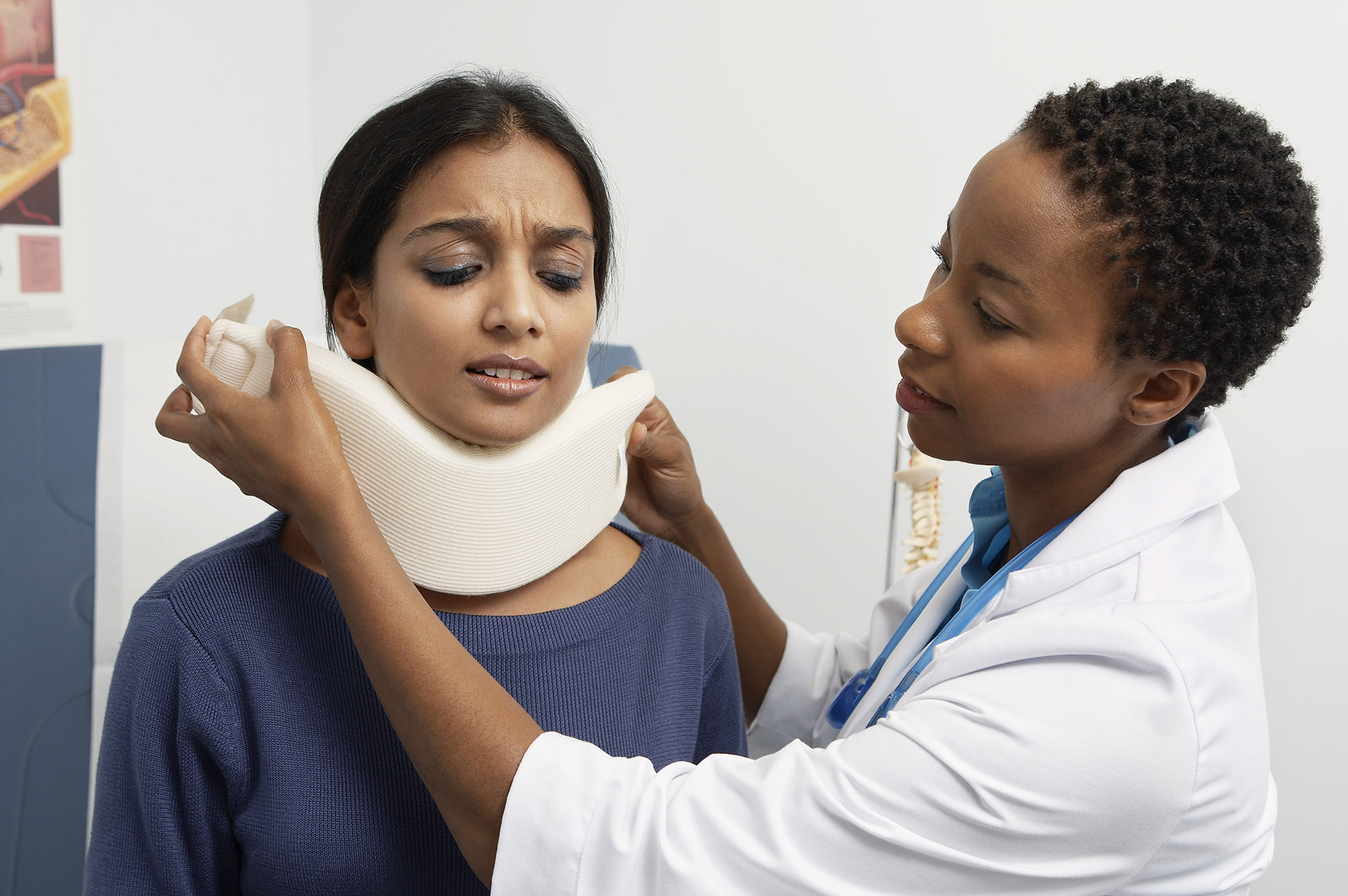
Nonpharmacological complements commonly get buried under the exhilaration of medications, yet they pay dividends. Splint well. Pad stress points. Use ice bags sensibly. Change the environment, dim harsh lights in migraine headache, restriction unnecessary movement. A well-applied vacuum cleaner splint can reduce a discomfort rating by two factors prior to any type of medication reaches the bloodstream.
Scope and plan: knowing the edges
PUAEME008 does not give carte blanche. Your employer's medical instructions and local legislation identify which representatives and courses are permitted. The safest clinicians are those that understand their side instances by heart. Usual policy anchors consist of minimum age thresholds for methoxyflurane, cumulative dose limits for fentanyl and morphine, contraindications for ketamine in particular psychoses or unrestrained hypertension, and oxygen requirements for nitrous oxide delivery.
When in doubt, call early for professional assessment if your system enables it. I as soon as handled a young person with a femoral fracture who had actually taken unidentified recreational compounds. The blend of stimulant toxicity and trauma made opioid application treacherous. short courses in pain management A fast consult sustained a ketamine-first technique with conservative titration and continuous tracking. Good judgment in these dilemmas comes from training and from admitting uncertainty when it matters.
Communication as an analgesic
Tone changes physiology. Self-respect decreases thoughtful drive. Basic, sincere sentences lower worry. "You are secure. We are going to control your pain. You will certainly be able to take a breath." I have actually seen discomfort scores drop a notch with those words alone.
Trust also safeguards versus dosing mistakes. When a client thinks you are listening, they share vital information: last dosage of oxycodone, spots on their skin, a history of opioid-induced apnea, or improperly managed sleep apnea. For older adults, confirm medicine lists and inquire about anticoagulants, as bleeding threat can reshape your functioning diagnosis and affect your choice of analgesic and transport priority.
The handover seals treatment connection. A beneficial handover tells a story: system of injury or beginning context, standard discomfort description, modifications after each treatment, complete dosages with timing, vitals fads, and any kind of negative effects. A rushed recounting of numbers without arc leaves the getting team reconstructing your reasoning. Solid PUAEME008 training insists on that narrative clarity.
Special populations that test your craft
Pediatrics frequently intimidates new medical professionals. The remedy is preparation. Use weight-based application charts, keep intranasal gadgets available, and get caregivers to hold and calm. Children mirror adult anxiousness. If you remain consistent, they will typically work out enough to approve splinting and intranasal analgesia without splits. Watch for dehydration in prolonged abdominal pain, and avoid duplicating intrusive attempts that can wait on a regulated environment.
Older grownups provide a various puzzle. Their pain resistance varies extensively, and their physiology conceals trouble. A small loss with rib fractures can spiral right into hypoventilation and pneumonia if pain is undertreated. Equilibrium effective analgesia with loss risk and delirium avoidance. Low-dose titrated opioids or ketamine, hostile regional support where offered, and early involvement of obtaining teams make a difference.
Pregnancy modifications whatever from stomach emptying to respiratory system reserve. Use left lateral tilt when viable, display fetal movements if progressed gestation, and choose representatives with known security profiles in your system. Nonpharmacologic measures and local blocks, if within scope and ability, can spare systemic drug exposure.
For people with compound usage problems, assume a higher standard tolerance and a greater risk of respiratory system clinical depression if sedatives or alcohol are on board. Offer analgesia without judgment, yet plan for airway support. Entailing allied wellness early, when feasible, improves longer-term results and reduces the revolving door effect.
When the diagnosis conceals under the pain
Not every excruciating discussion is a thumbs-up for full-dose opioids. Acute abdomen with unclear etiology, serious headache with neurologic adjustments, or breast pain with hemodynamic instability each calls for a purposeful speed. The old myth that analgesia covers diagnosis has actually been largely disproved, yet timing and choice of agent still matter.
For presumed abdominal disasters, moderate, titrated analgesia combined with careful reassessment preserves examination energy while appreciating the individual's distress. In extreme migraine with warnings, treat pain while moving swiftly toward clear-cut imaging and supportive treatment, defending against oversedation that might cloud neurologic evaluations. Upper body discomfort needs integrated analgesia and antiplatelet or anticoagulant treatment per protocol, along with rhythm monitoring and nitrates if indicated. Good treatment lives in integration, out single-track thinking.
Training that adjustments just how you practice
The best pain administration courses construct muscular tissue memory under practical restrictions. Manikins and situation scenarios serve, however absolutely nothing changes online, untidy technique: determining dosing while the blood pressure alarm system chirps, coaching breathing with contractions while a second patient calls your name, or weighing the threats of an additional fentanyl aliquot in a patient whose oxygen saturation just dipped.
When selecting a pain administration certification training course, search for programs that combine:
- Scenario-based simulations that need prioritization, review, and handover under time pressure Pharmacology sessions that instruct mechanism, communications, and damaging event management, not simply application tables
Assessment must be greater than a composed test. Competency demos, medicine prep work drills, negative event acknowledgment, and communication scenarios disclose whether discovering translates to action. For registered nurses branching into immediate care or access atmospheres, pain monitoring training courses for nurses that incorporate PUAEME008 competencies with triage systems and local formularies supply the most effective worth. Physio therapists operating in intense musculoskeletal settings additionally gain from discomfort administration programs for physio therapists that stress nonpharmacologic methods along with interdisciplinary control; if pharmacologic administration runs out extent, the training needs to still cover acknowledgment of undertreatment and escalation pathways.
Short programs in pain management can be beneficial, however inspect that "brief" does not imply shallow. A focused one-day program can supply targeted skills, as an example, intranasal analgesia in pediatrics or ketamine titration for trauma, offered it includes monitored method and post-course mentoring. A certification course in pain management that promises wide capability needs to include supervised scientific time or robust simulation to justify a pain monitoring certification.
Documentation secures individuals and clinicians
No one takes pleasure in documentation in the heat of technique, yet a clean document belongs to the treatment. It tells the next medical professional what functioned and what did not, it safeguards the person from copied dosing, and it shields you when end results are questioned days later.

Elements to videotape consist of the baseline pain summary, objective signs, the rationale for agent option, dosage and time, path, client reaction, vitals patterns, damaging events and reduction, and the material of the handover. If you differed a common series because of a patient-specific aspect, compose the factor in a full sentence. That behavior builds rely on your medical judgment.
Building a society of timely analgesia
Individuals can exercise well, yet systems still stop working patients if society punishes analgesia as high-risk or optional. I have actually worked in services where pain alleviation called for 3 signatures, and the predictable result was experiencing. It took a data-driven debate to change minds: time to initial analgesia stopped by 40 percent after procedure simplification, and there was no surge in respiratory system concession when keeping track of requirements were maintained. The management then embedded analgesia metrics into high quality control panels, and the society shifted.
If you remain in a placement to influence plan, advocate for easy accessibility to approved agents, standardized lists for preparation and surveillance, and normal instance evaluates that concentrate on finding out as opposed to blame. Connection pain metrics to individual experience feedback, not as a score to go after thoughtlessly, but as one important indicator of thoughtful care.
Practical tips from the field
Over years of training PUAEME008 provide pain monitoring, a few small routines maintain paying off.
- Prime your package for the very first 10 minutes. Keep intranasal atomizers preloaded and identified by dose range, methoxyflurane accessible, and tape pre-cut for splints. The faster you can act, the cleaner your decision-making.
Practice a dose-talk script. Patients and households relax when they hear confident, regular explanations: name the medicine, expected benefits, typical adverse effects, and what you will do to monitor.
Think in pairs. One clinician prepares and administers, the various other watches air passage, ventilation, and mental status. Also in a tiny team, mark roles clearly for risky moments.
Use the discomfort range as a discussion starter, not a decision. Ask what number would let them relocate or take a breath even more conveniently, then go for that target as opposed to zero.
Plan the next step before you provide the present one. If this dosage does not function, what is your second line, what are the contraindications, and when will certainly you reassess?
Those micro-skills make the distinction in between certain care and chaotic improvisation.
Where PUAEME008 fits among broader certifications
Many clinicians accumulate badges, and not all badges translate to much better care. A pain monitoring certificate verifies you have actually met a standard, however ongoing proficiency originates from deliberate practice. If you are thinking about a pain management certification program, align it with your workplace. Prehospital medical professionals benefit from programs tied to actual functional medicine listings, devices, and documents systems. Hospital-based personnel may like components that cover nerve blocks, mixture pumps, and multimodal analgesia pathways.
For registered nurses in immediate treatment or ED triage roles, discomfort monitoring training for nurses that mixes pharmacology, trauma evaluation, and communication training boosts both throughput and individual complete satisfaction. For allied health experts, a pain monitoring certificate program can make clear limits and acceleration pathways, stopping dangerous hold-ups when pharmacologic discomfort control is appropriate.
The highest-yield programs close the loop with mentorship. A single day of talks does not transform reflexes. A month of on-shift coaching does.
Measuring success past the pain score
Pain ratings relocate the needle, yet they are not the only outcome worth tracking. I look for fewer unscheduled returns as a result of inadequate advanced pain management certification training analgesia, much shorter time to mobilization in basic cracks, reduced incidence of oxygen desaturation during opioid usage, and much better handover clarity. Person comments tell you greater than survey numerics. If clients mention really feeling listened to, secure, and supported, your analgesia method is likely sound.
Systems that embed PUAEME008 criteria see downstream gains in sedation security, decreased agitation throughout transport, and tighter team effort. Those gains compound. Less chaos means less mistakes, and fewer mistakes indicate even more energy for the next patient that needs your finest judgment.
Final thoughts from the sharp end
Pain is a scientific issue and a moral one. When a person trust funds you with their suffering, they are not requesting heroics. They are requesting for interest, skill, and follow-through. PUAEME008 orders that contract right into expertises you can practice, test, and refine.
If you are selecting among discomfort management training courses, select the one that requires your existence, not just your presence. Ask just how they instruct emergency situation discomfort administration under realistic restrictions, exactly how they evaluate interaction, and how they maintain your abilities active after the certification is framed. Whether you are discovering an offer discomfort management course as your first step or including a pain administration accreditation to an established career, deal with the device as the start of a routine: evaluate with curiosity, treat with precision, and return to see if you truly helped.
The days that stick with me are not the big saves. They are the quiet victories, like the distressed kid who was laughing by the time we got to radiology because a person took five extra mins to discuss the intranasal spray and hold a hand. That is the typical worth training for, and the assurance behind any kind of program that claims to instruct discomfort well.