Pain is not a solitary trouble. It is a signs and symptom, a disease process in its own right, a social disruptor, and for lots of clients, one of the most urgent reason to seek care. Physio therapists sit at a crossroads, linking emergency triage with long-haul recovery, and the training we pick shapes the end results we provide. Well-designed discomfort management programs clear up where to start, when to intensify, and how to aid people recover function without creating damage. The best programs fold biomechanics into neuroscience, triage into compassion, and strategy into systems thinking.
I have been in facilities where the initial 10 minutes identify the following six months. A client with severe low back pain and red flags needs a various course from a runner with patellofemoral pain who fears every action. The physio therapist that understands discomfort scientific research and triage can steer both instances towards the appropriate treatment at the correct time. That is the core worth of targeted discomfort management training.
Why physiotherapists require official training suffering management
Most entry-level programs cover pain concept, however the fact on the flooring is untidy. Patients do not present with book patterns. A person with complicated regional pain syndrome may get here with typical imaging but a storm of free and sensory modifications. A building contractor with intense shoulder discomfort could have a benign impingement or a full-thickness tear. Each scenario asks for a blend of professional reasoning, risk analysis, and communication that is tough to improvise.
Pain administration training courses for physio therapists instruct framework. They standardize safety screens, sharpen differential medical diagnosis, and deepen expertise of nociception, neuropathic devices, central sensitization, and psychosocial motorists. They likewise resolve the components we rarely discover in depth: expectation setting, de-escalation, and rated exposure that the person really counts on. When the training includes hands-on instances, medical professionals discover to move between pain-relieving techniques and function-first recovery without sending blended signals.
An excellent course additionally makes clear range and collaboration. Physio therapists can not recommend most medications, but we have to recognize their impacts, benefits, and dangers. We need to triage for cracks, infections, progressing neurological shortages, and negative drug events. We must recognize when emergency situation discomfort management supersedes regular care and exactly how to collaborate with medical teams.
Triage concepts that every training course need to teach
Triage is not just for emergency divisions. In an active outpatient clinic, the first assessment is a triage occasion. We divide time-sensitive conditions from regular discussions, flag dangers, and figure out which pathway supplies value fastest.
I utilize a mental circulation that mirrors the ABCs in first aid, adjusted for musculoskeletal and neurological discussions. Prior to I think of cells load or workout dose, I look for warnings: constitutional signs and symptoms, inexplicable weight-loss, severe nocturnal discomfort, saddle anesthesia, progressive electric motor deficits, recent trauma in older grownups, fever with neck and back pain, background of cancer, steroid usage with abrupt bone pain, and signs of cauda equina disorder. When anything sounds wrong, it is incorrect up until proven or else. Discomfort management training courses enhance this technique and supply language for urgent referrals that people can accept without panic.
Next, I evaluate yellow and orange flags: distress, catastrophizing, job dissatisfaction, fear evasion, and medicine overuse. These do not delay physical rehabilitation, but they influence just how we mount goals and dose. Programs that include cognitive coaching offer clinicians scripts and strategies to reframe danger, not simply info on pain pathways.
Finally, triage educates preliminary application. The very first treatment ought to be both efficient physiotherapy education in pain management and confidence-building. If a client limps in with severe side ankle discomfort, a fast examination of weight-bearing resistance, a snug figure-of-eight cover, and targeted isometrics can lower pain right away. That works therapy and a triage win.
What treatment-focused training looks like in practice
Courses that assure end results without handling intricacy seldom provide. Solid programs integrate 3 hairs: discomfort science related to genuine situations, technological skills that modulate signs without dependence, and rated rehab that values impatience and bandwidth. Here is exactly how that plays out.
Acute presentations require clarity and tranquility. Inflamed joints and spikes suffering long for security, compression, altitude, and mild activation. The training ought to emphasize scientifically valuable timelines: the length of time to unload, when to reintroduce lots, what to claim regarding pain throughout exercise. A truthful, particular manuscript beats common peace of mind. For a postoperative knee that flares after walking at the shopping mall, I may claim: the joint is still sensitive to modifications in speed and slope, so your tissues are responding. Allow's keep the swelling down for 24 to 2 days, after that return to brief spells of flat strolling and mild expansion work. Expect a two-steps-forward, one-step-back pattern over the next 2 weeks.
Subacute cases frequently rest on dosage. Pain administration courses with practical application frameworks aid medical professionals stay clear of boom-and-bust cycles. They instruct how to titrate load utilizing time under tension, price of viewed physical effort, and sign actions over the complying with 24 hr. They likewise take on contending top priorities, such as go back to function versus cells healing speed, and overview shared decisions that reflect the patient's life constraints.
Persistent discomfort adds layers of main sensitization, tension, and rest disturbance. Treatment shifts toward pacing, graded direct exposure, belief modification, and structure physical capacity with tolerable pain. The training must instruct medical professionals just how to identify when pain acts more like a quantity handle than a damages signal, and just how to change rehab as necessary. It should additionally deal with flare management strategies that appreciate agency: the client selects from a food selection of relief approaches and organized steps back to baseline, not a blanket rest order.
Where pUAEME008 fits: emergency situation discomfort monitoring in a physiotherapy context
In some regions, especially in Australia, the unit code PUAEME008 appears in course brochures for emergency situation treatment. PUAEME008 Provide discomfort monitoring is frequently linked to prehospital or emergency situation first action training, usually educating risk-free administration of inhaled analgesia such as methoxyflurane and organized discomfort assessment. While several physio therapists do not administer analgesics in day-to-day practice, comprehending emergency situation pain monitoring can be important in sporting activities protection, remote clinics, and workplace health and wellness settings.
I have actually been pitch side when a player disjointed a shoulder and the fastest course to secure reduction called for coordination with medical personnel who carried breathed in analgesia and followed PUAEME008 procedures. Knowing the signs, contraindications, and monitoring demands enabled me to assist efficiently and supporter for the professional athlete's convenience and safety. A pain administration training course that recommendations puaeme008 offer pain administration web content can prepare physiotherapists for these interfaces, even if their own extent does not consist of medication administration. The secret is to recognize just how to examine pain swiftly, communicate plainly with emergency suppliers, and file intervention and response.
Programs identified as PUAEME008 Supply discomfort monitoring have a tendency to highlight:
- Structured pain analysis scales in severe setups, signs for escalation, and keeping an eye on for adverse reactions. Safe handling, storage space, and standard pharmacology of emergency situation analgesics within a team-based protocol.
For physiotherapists who cover occasions or operate in interdisciplinary immediate treatment, this training can be a beneficial addition. It complements pain administration training yet does not change the more comprehensive healing ability set.
Mapping the training landscape: training courses, certifications, and depth
Pain administration education spans from short programs to multi-month qualification programs. The naming is not standardized, so a "pain monitoring certification program" in one institution might be a weekend workshop, while a "pain administration qualification training course" somewhere else could require assessments, situation logs, and monitored method. Look at the curriculum rather than the label.
Short courses hurting administration can be helpful refresher courses, specifically when they focus on a certain scientific particular niche: emergency situation pain monitoring, upper arm or leg neuropathic discomfort, relentless low neck and back pain, or workout prescription under analgesic medicine. These can sharpen your triage and messaging.
Pain management training programs that run over several weeks usually consist of instance conversations and jobs that compel you to use the concepts. That is where most medical professionals make the leap from understanding to doing. Look for a curriculum that incorporates assessment structures, communication methods, and dosage progression, not just modalities.
Pain administration accreditation and a formal discomfort management certification normally indicate a larger dedication. These programs might combine online modules, live workshops, and functional analyses. They may also consist of interprofessional parts with registered nurses, psychologists, or doctors. For physio therapists that wish to position themselves as the go-to for complicated cases, a certificate program hurting management can be a strong investment.
Courses marketed as pain monitoring courses for nurses and pain administration training for registered nurses typically overlap with core content appropriate to physiotherapists, particularly around medication courses, opioid danger mitigation, and inpatient pathways. Physios that team up in intense treatment or rehab wards benefit from understanding nursing methods and exactly how pain scores drive decisions.
Core educational program that really alters outcomes
Good training leaves you with mental versions and manuscripts you make use of daily. The content listed below regularly moves method for physiotherapists.
Pain devices made useful. The majority of clinicians understand nociception theoretically, but the trick is attaching device to strategy. If an individual with back radicular discomfort reveals Waddell-type nonorganic indicators yet likewise has dermatomal numbness, we hold both realities. We value neural irritation while making use of direct exposure to lower risk. Training courses must teach mechanism triads: nociceptive, neuropathic, and nociplastic, then demonstrate how combined discussions notify rate, load, and language.
Irritability-based dosing. High irritability implies tiny, constant, low-load inputs with clear stop guidelines. Moderate impatience enables modern loading with a next-day sign check. Reduced irritation unlocks to aggressive capacity structure. I want courses that provide clear examples: for high-irritability lateral epicondylalgia, start with isometric wrist expansion at 30 to 40 percent effort for 45 to one minute, several sets daily, and progress by either period or number of angles before raising intensity.
Communication that reduces threat. Discomfort management training has to move past scripts that seem clever yet fall flat. People listen to and remember what impacts their day. As opposed to your spine is strong, which can feel prideful, state your spinal column is revealing level of sensitivity, not delicacy. The plan is to instruct it what loads are secure again. We will certainly start at a degree your body tolerates and tip up weekly. Educating that includes role-play and comments adjustments habits.
Sleep and stress and anxiety as lots variables. A poor evening of rest can raise next-day pain level of sensitivity and reduce the envelope of feature. Training courses must connect sleep quality to exercise dose and flare threat. I typically change Tuesday's session when Monday evening was a calamity, then construct once again after a couple of secure nights.
Pharmacology in the group context. Also if you do not recommend, knowing how paracetamol, NSAIDs, neuropathic agents, and opioids engage with exercise resistance is essential. For example, a person beginning a tricyclic antidepressant for neuropathic pain may experience completely dry mouth and daytime sedation. That modifications fall danger and session timing. Discomfort management certification programs that consist of medication literacy make physiotherapists far better collaborators.
A technique to emergency situation discomfort administration when seconds count
Emergencies disrupt regular treatment. They are unusual in outpatient technique yet usual sufficient in sporting activity, industrial settings, and neighborhood facilities to require a plan. A brief anecdote: during an enjoyable run I staffed, a participant in their 60s tripped and landed on the outstretched hand. Lower arm deformity, rapid swelling, and loss of pronation made the most likely diagnosis clear. The pain was extreme, and the crowd feared. My job was not to decrease the crack. It was to protect the arm or leg, control distress, stop further damage, and facilitate secure transfer.
The actions were straightforward and practiced. I supported the limb, examined distal pulse and sensation, improvised a sling with a triangular bandage, and described what would certainly take place next basically sentences. Paramedics arrived, used breathed in analgesia regular with their protocols, and transferred. The jogger thanked us for the calmness as long as for the splint. Emergency pain administration is as much regarding management and clear communication as it has to do with analgesics.
Courses straightened with puaeme008 Give pain administration strengthen this state of mind. Even without medicine administration, physiotherapists gain from organized discomfort analysis scales, recognition of negative effects, and scene management that values individual dignity.
How to pick a training course without squandering time or money
Marketing language obscures differences. When examining pain management training for physio therapists, look beyond the headline.
- Confirm analysis deepness. Do they teach a repeatable initial analysis that blends warning screening, mechanism-based classification, irritation grading, and psychosocial screening? Expect situation videos and debriefs, not just concept slides. Check the treatment development. Do they offer clear progression criteria and regression regulations? Are there instances for severe, subacute, and consistent discomfort? Uniqueness issues more than a list of modalities. Look for interprofessional positioning. Discomfort management courses for nurses and for physiotherapists must overlap in concepts. Programs that attach these viewpoints minimize rubbing in actual teams. Demand real-world constraints. Do they attend to packed timetables, limited equipment, and variable person adherence? Can you use their structure in a 30-minute follow-up? Verify analysis and mentoring. Programs that consist of feedback on your situations, also asynchronously, have a tendency to transform technique greater than content-only modules.
If you intend to market your qualifications, clarify whether the program grants a discomfort management certification, a pain monitoring certification with evaluation, or just a certificate of completion. The signaling matters for certain functions and contracts.
Integrating training into daily practice
Learning sticks when you rebuild your day around it. After finishing a certificate training course in pain management a number of years back, I altered three habits. Initially, my first session got a time-stamped plan: when to reconsider signs and symptoms, how to document impatience, and what to state if the person called with a flare. Second, I standard brief end result steps that fit the instance: a two-item pain interference range for function, a rest top quality question, and a single anxiety avoidance trigger. Third, I created templated person summaries in simple language for their folders. That last action cut telephone call about misconceptions by a 3rd over the following quarter.
Colleagues that full discomfort monitoring training courses often report the very same impact: less shocks, faster buy-in, and steadier progress contours. The individuals notification. They quit asking is this typical, and start asking what's next.
Practical structures that connect triage and treatment
Two straightforward frameworks have assisted me the most.
The SANE triage pass. SANE mean Safety, Arrangement, Following action, Expectation. Safety and security removes red flags. Contract means we and the client share a problem meaning. Following action is the very first actionable habits, not an idea. Expectation establishes what excellent looks like in two days. A pain monitoring program that drills this into professional meetings gives your sessions a spine.
The 30-30-30 rule for persistent pain. Thirty seconds of education connected to the job handy, not a lecture. Thirty secs of an alleviation strategy the client can self-administer. Thirty secs to specify the following direct exposure action and what pain is acceptable. Repeat with the session. It keeps therapy and triage linked: you are constantly examining safety, belief, and capacity.

The role of innovation without losing the human
Digital surveys, wearable task trackers, and telehealth sharpen follow-up. Discomfort management training that consists of remote tracking can expand your reach, specifically for country people. Yet the human components dominate: tone, pacing, and presence. When educating rated direct exposure over video, I ask the individual to reveal me their environment and select a job they can duplicate daily. We co-create a two-sentence strategy. That strategy makes it through bad bandwidth and active lives. Fancy tools are optional. Clarity is not.
What a well-shaped program may cover across modules
Pain neuroscience and mechanism-based reasoning connected to medical instances. Evaluation structures that integrate red and yellow flags, with decision trees for imaging and recommendation. Communication labs that rehearse de-escalation, educated approval, and unpredictability. Workout prescription anchored to puaeme008 training programs impatience and feature, consisting of isometrics for analgesia, graded electric motor images where suitable, and return-to-sport developments. Flare monitoring strategies that blend sleep, pacing, brief analgesic techniques within scope, and step-by-step go back to baseline lots. Interprofessional components with nursing and medical point of views on pharmacology, opioid stewardship, and severe care paths. Occasion protection and emergency situation pain management, additionally consisting of puaeme008 Offer pain administration web content where extent and laws enable. Documentation, outcome actions, and ethical considerations around discomfort management certification and the promises we make in marketing.
These aspects with each other provide an extensive pain administration course, not just a set of techniques.
Special factors to consider: pediatrics, older adults, and cultural context
Children often report pain via habits more than words. Training should consist of pediatric pain ranges, parent mentoring, and mindful language that prevents threat. For older adults, polypharmacy and balance threat modify exercise options and session timing. Understanding the communications in between typical anesthetics and orthostatic hypotension matters when you proceed sit-to-stand technique. Social context influences exactly how individuals explain discomfort and whether they accept rated exposure. Programs that model culturally delicate speaking with and adapt metaphors open doors that method alone cannot.
Building a personal advancement pathway
No solitary program finishes the image. A reasonable pathway mixes wide foundation with targeted refreshers.
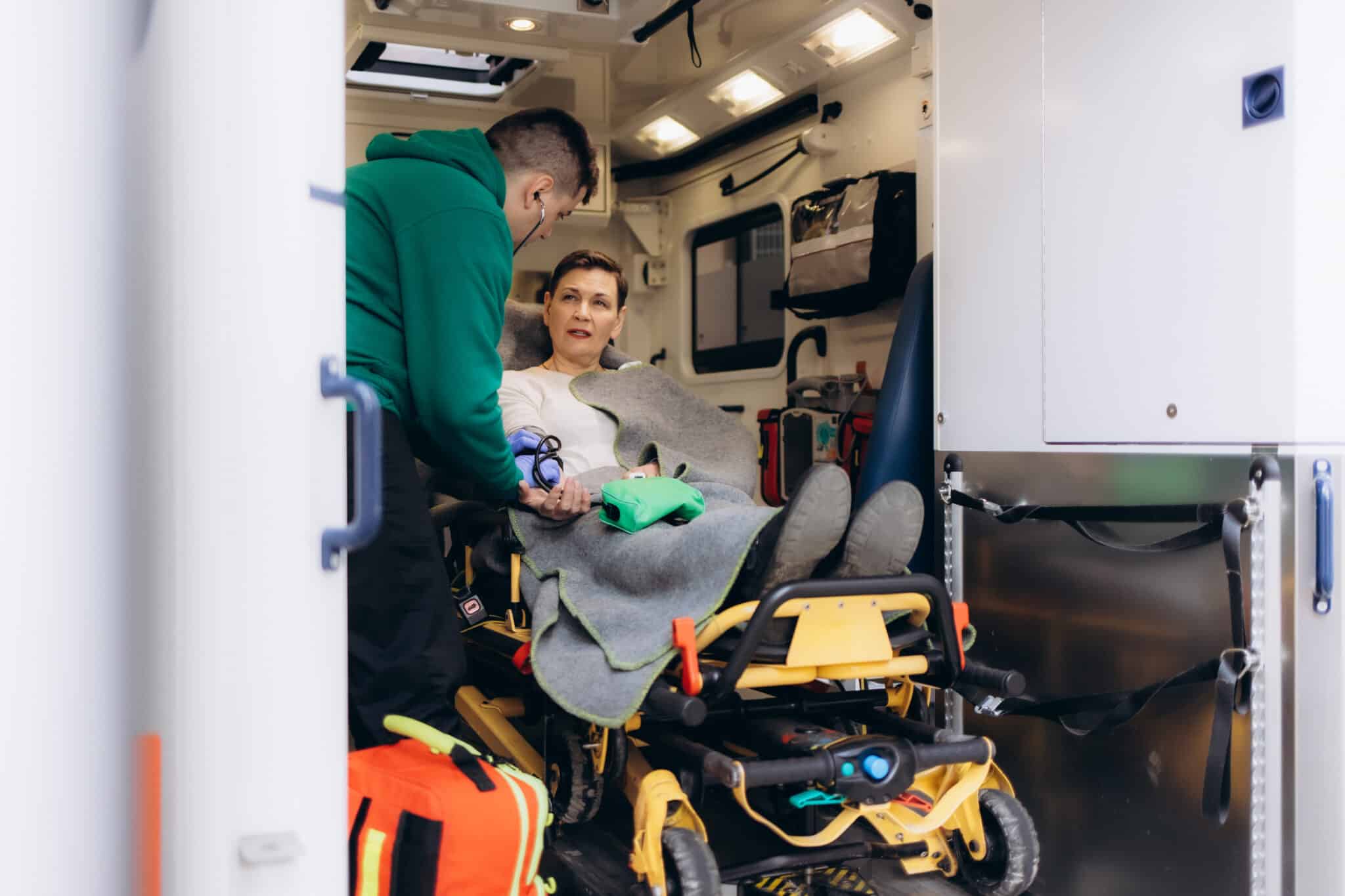
Start with a foundational certificate course in pain monitoring, ideally one that includes examined casework and interprofessional exposure. Add short programs hurting monitoring on specific niches you see typically: cervical radiculopathy, tendinopathies, persistent low pain in the back, trauma, or pelvic discomfort. If you cover events or remote websites, consider emergency situation discomfort monitoring material and, where proper, training straightened with PUAEME008 Give pain management to understand prehospital analgesia workflows. For those functioning carefully with medical facility teams, discover pain monitoring training courses for nurses or joint sessions to align on procedures, documents, and escalation triggers. Take another look at interaction training every couple of years. Abilities decay without technique, and each refresh brings new phrasing and insights.
Ethics, assumptions, and the restrictions of our role
Pain administration certification does not make us supreme. We can not treat every discomfort. We can minimize distress, rise function, and make better choices much faster. Be clear concerning the limits: when medication testimonial is needed, when imaging aids, when surgical procedure ends up being the logical next action, and when mental therapy is central. Good training reinforces your confidence to say I can help with A and B, and we need a partner for C.

As physio therapists, we offer framework. We gauge what matters to the patient, we shield them from injury, and we build their capability within a strategy they comprehend. Pain will always bring unpredictability. The factor of pain administration training is not to remove uncertainty, however to browse it with judgment and humanity.
Final ideas on selecting and using discomfort education
If you have actually felt that your sessions totter when pain flares or when worry dominates, buy organized training. Look for programs that unite triage with therapy, theory with scripts, and workouts with metrics that matter. Whether you enlist in a discomfort management certificate, a more comprehensive pain management qualification course, or a handful of well-chosen pain management training courses, the goal is the same: fewer missed red flags, faster alleviation, much better function, and clients that rely on the course you set together.
For physiotherapists working together with registered nurses, straighten your language and protocols by assessing discomfort monitoring training for nurses and joint workshops. If your duty touches severe or remote settings, learn the basics of emergency situation discomfort monitoring and comprehend puaeme008 Give discomfort management structures so you can incorporate efficiently with first responders.
We do not handle pain alone. We aid individuals live with much less anxiety and even more motion, and we do that ideal when our triage is sharp and our therapy is layered, certain, and joint. A thoughtful pain monitoring program is not a badge. It is a set of practices that make the following individual's day a bit more doable.